NAFLD / NASH (Fatty Liver) Care by Dr. Yogita Kokate-Adke
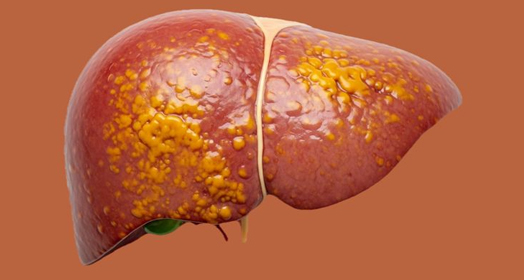
Fatty liver disease occurs when excess fat builds up in the liver. It is commonly associated with conditions such as overweight or obesity, insulin resistance, type 2 diabetes, high cholesterol and other metabolic health problems. Fatty liver may not cause noticeable symptoms in the early stages, which is why it is often discovered during routine blood tests or an ultrasound performed for another reason.
At The GastroLiver Care by Dr. Yogita in Goregaon East, Mumbai, Dr. Yogita Kokate-Adke, Gastroenterologist and Hepatologist, provides personalized evaluation and management of fatty liver disease. The focus is not only on detecting liver fat, but also on understanding whether there is liver inflammation or fibrosis and identifying the metabolic factors contributing to the condition.
Types and Stages of Fatty Liver Disease We Evaluate
Fatty liver is not a single condition with the same risk for every patient. Some people may have fat accumulation in the liver without significant inflammation, while others may develop inflammation and progressive liver scarring. A proper evaluation helps determine the patient's individual risk and the appropriate approach to care.
- Non-Alcoholic Fatty Liver Disease (NAFLD) – Excess fat accumulation in the liver that is not primarily caused by excessive alcohol consumption.
- Metabolic Dysfunction-Associated Fatty Liver Disease – Fatty liver associated with metabolic risk factors such as obesity, diabetes, insulin resistance or abnormal cholesterol levels.
- NASH / Steatohepatitis – A form of fatty liver disease in which excess liver fat is associated with inflammation and liver cell injury.
- Fatty Liver with Diabetes – Liver fat occurring alongside type 2 diabetes or impaired glucose metabolism, which may increase the risk of progressive liver disease.
- Fatty Liver with Obesity – Liver fat associated with excess body weight and metabolic health concerns.
- Fatty Liver with Abnormal Liver Tests – Elevated liver enzymes or other abnormal liver-related investigations that require further assessment.
Symptoms of NAFLD / NASH and Fatty Liver
One of the important things to understand about fatty liver is that many people do not experience any specific symptoms. The condition may be detected incidentally during an abdominal ultrasound, routine health check-up or blood tests showing elevated liver enzymes.
When symptoms are present, they are often non-specific and can easily be attributed to other health or lifestyle factors. Persistent symptoms or unexplained abnormal liver tests should be discussed with a gastroenterologist or hepatologist.
- Often No Noticeable Symptoms in the Early Stages
- Persistent or Unusual Fatigue
- Generalised Weakness or Low Energy
- Discomfort or Heaviness in the Upper Right Abdomen
- Feeling Unwell Without a Clear Cause
- Abnormal Liver Enzyme Levels
- Unexplained Changes in Liver Function Tests
- Associated Overweight or Obesity
- High Blood Sugar or Diabetes
- High Cholesterol or Triglyceride Levels
- Symptoms Related to Advanced Liver Disease in Some Cases
Because fatty liver can progress silently, the absence of symptoms does not necessarily mean that the liver is completely healthy. Patients with metabolic risk factors or unexplained liver test abnormalities may benefit from appropriate liver evaluation.
What Causes NAFLD / NASH and Fatty Liver?
Fatty liver is closely linked to the way the body handles fat and sugar. It commonly develops in association with insulin resistance and metabolic health conditions. However, the exact combination of risk factors can vary from one person to another.
- Overweight or Obesity – Excess body weight can increase the likelihood of fat accumulation in the liver.
- Insulin Resistance – Reduced sensitivity to insulin can contribute to increased fat storage in the liver.
- Type 2 Diabetes – Diabetes is strongly associated with metabolic fatty liver disease and may increase the risk of progression.
- High Cholesterol or Triglycerides – Abnormal blood lipid levels may contribute to metabolic liver disease.
- Unbalanced Diet – A diet high in excess calories, added sugars and highly processed foods may contribute to metabolic dysfunction.
- Low Physical Activity – A sedentary lifestyle can contribute to weight gain, insulin resistance and metabolic risk.
- Metabolic Syndrome – A combination of abdominal obesity, abnormal blood sugar, blood pressure and lipid abnormalities can increase fatty liver risk.
- Alcohol Consumption – Alcohol-related liver disease is different from metabolic fatty liver disease, but alcohol intake can contribute to liver injury and should be assessed as part of a complete liver evaluation.
- Certain Medicines and Medical Conditions – Some medicines and underlying health conditions may contribute to fat accumulation or liver injury in selected patients.
- Family and Genetic Factors – Individual genetic and family factors may influence susceptibility to fatty liver and progressive liver disease.
Identifying the factors contributing to fatty liver is an important part of management. Dr. Yogita Kokate-Adke evaluates the patient's medical history, metabolic risk factors, liver tests and available imaging before planning further assessment or follow-up.
NAFLD / NASH Diagnosis and Fatty Liver Treatment
Fatty liver treatment is not simply about treating an abnormal ultrasound report. A detailed evaluation helps determine how much liver fat is present, whether there are signs of liver inflammation or fibrosis and which metabolic factors need attention. The management plan is then tailored to the patient's overall health and liver-related risk.
- Detailed Gastroenterology and Hepatology Consultation
- Review of Medical History and Metabolic Risk Factors
- Liver Function Tests and Relevant Blood Investigations
- Assessment of Blood Sugar and Diabetes Risk
- Evaluation of Cholesterol and Triglyceride Levels
- Review of Previous Ultrasound or Liver Imaging
- FibroScan / Liver Elastography When Appropriate
- Assessment of Liver Fibrosis Risk
- Personalized Weight Management Guidance
- Dietary and Lifestyle Modification Guidance
- Management of Associated Metabolic Conditions
- Regular Monitoring of Liver Health When Required
- Further Liver Evaluation in Selected Patients
For many patients, improving metabolic health and making sustainable lifestyle changes are important parts of fatty liver management. Depending on the individual situation, medical treatment for associated conditions may also be required. The need for additional investigations or specialist follow-up is decided according to the patient's clinical findings and risk profile.
Why Timely Fatty Liver Evaluation Matters
Fatty liver is often considered harmless because it may not cause symptoms. However, some patients can develop progressive inflammation and liver fibrosis over time. Early assessment helps distinguish patients who may require routine lifestyle-focused care from those who need closer liver monitoring.
- Helps Confirm the Presence of Fatty Liver
- Helps Identify Associated Metabolic Risk Factors
- Allows Assessment of Liver Function
- Helps Evaluate the Risk of Liver Fibrosis
- Supports Appropriate Lifestyle and Weight Management
- Helps Address Diabetes and Abnormal Lipid Levels
- Supports Monitoring of Liver Health Over Time
- Helps Identify Patients Who May Need Further Liver Assessment
- Encourages Early Attention to Metabolic Health
- Supports Personalized Long-Term Liver Care
How to Prevent and Manage Fatty Liver
Healthy lifestyle habits play an important role in preventing and managing metabolic fatty liver disease. The goal is not to follow short-term restrictive diets, but to build sustainable habits that support a healthy body weight, blood sugar, cholesterol levels and overall metabolic health.
- Maintain a Healthy and Sustainable Body Weight
- Choose a Balanced, Nutrient-Rich Diet
- Limit Excess Added Sugar and Highly Processed Foods
- Reduce Excess Calorie Intake and Large Portions
- Include Appropriate Physical Activity Regularly
- Maintain Healthy Blood Sugar Levels
- Monitor and Manage Cholesterol and Triglycerides
- Limit or Avoid Alcohol According to Medical Advice
- Avoid Unnecessary Supplements or Self-Medication
- Follow Recommended Liver Health Check-Ups
- Do Not Ignore Persistently Abnormal Liver Tests
Even when fatty liver is discovered incidentally, it is worth understanding why it has developed and whether there are signs of liver fibrosis. Consistent lifestyle changes and appropriate medical follow-up can help support better long-term liver health.
Why Consult Dr. Yogita Kokate for Fatty Liver Care?
A fatty liver diagnosis can raise several questions: Is the liver only storing excess fat, or is there inflammation? Is there any liver fibrosis? Do abnormal liver tests need further investigation? And what changes can actually help improve liver health?
Dr. Yogita Kokate-Adke, Gastroenterologist and Hepatologist, provides specialized evaluation and management of liver conditions, including fatty liver disease and metabolic liver disorders. Her approach focuses on understanding the patient's individual risk factors, assessing liver health and providing practical, personalized guidance for long-term care.
At The GastroLiver Care by Dr. Yogita in Goregaon East, Mumbai, patients receive clear explanations, individualized evaluation and evidence-based guidance for managing NAFLD, NASH and fatty liver disease while addressing the associated metabolic health factors.