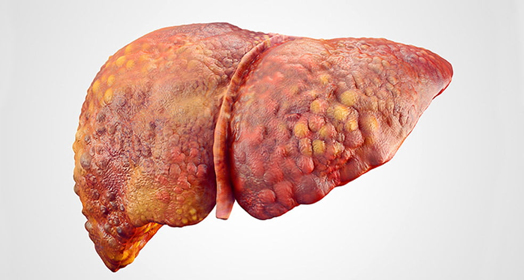
Cirrhosis & Liver Complications Care by Dr. Yogita Kokate-Adke
Cirrhosis is an advanced stage of chronic liver disease in which healthy liver tissue is gradually replaced by scar tissue. As fibrosis progresses, the liver may become less capable of performing its normal functions and blood flow through the liver can become restricted. Cirrhosis can develop due to several long-term liver conditions, including chronic viral hepatitis, alcohol-related liver disease, fatty liver disease and autoimmune or other liver disorders.
At The GastroLiver Care by Dr. Yogita in Goregaon East, Mumbai, Dr. Yogita Kokate-Adke, Gastroenterologist and Hepatologist, provides specialized evaluation and management of cirrhosis and its complications. Care focuses on identifying the underlying cause, assessing the severity of liver disease, managing complications and providing appropriate long-term follow-up.
Cirrhosis & Liver Conditions We Manage
Cirrhosis can remain stable for a period of time, but some patients may develop complications as liver function and blood flow are affected. Early identification of liver disease and regular specialist monitoring can help in managing the condition and its associated complications.
- Compensated Cirrhosis – Cirrhosis in which significant liver function is still maintained and major complications may not yet be present.
- Decompensated Cirrhosis – Advanced liver disease associated with complications such as ascites, jaundice, variceal bleeding or hepatic encephalopathy.
- Ascites – Abnormal accumulation of fluid inside the abdomen, which can cause abdominal swelling, discomfort and breathing difficulty in more severe cases.
- Hepatic Encephalopathy – A liver-related condition that can affect concentration, sleep patterns, behaviour and level of awareness.
- Esophageal & Gastric Varices – Enlarged veins that may develop because of increased pressure in the portal venous system and can sometimes bleed.
- Portal Hypertension – Increased pressure in the portal vein system caused by changes in blood flow through a diseased liver.
- Liver-Related Jaundice – Yellowing of the skin or eyes that may occur when advanced liver disease affects bilirubin processing.
- Other Complications of Chronic Liver Disease – Cirrhosis may require monitoring for additional complications affecting nutrition, kidney function, infections and overall liver health.
Symptoms of Cirrhosis and Liver Complications
Early cirrhosis may cause few or no noticeable symptoms, and some patients are diagnosed after abnormal liver tests or imaging. As liver disease progresses, symptoms may become more noticeable. The symptoms can vary depending on the underlying cause and whether complications have developed.
- Persistent Tiredness or Weakness
- Loss of Appetite
- Unintentional Weight Loss
- Nausea or Digestive Discomfort
- Abdominal Discomfort or Fullness
- Swelling of the Abdomen Due to Ascites
- Swelling of the Legs or Ankles
- Yellowing of the Eyes or Skin (Jaundice)
- Easy Bruising or Increased Bleeding Tendency
- Dark-Coloured Urine
- Itching of the Skin
- Changes in Sleep Pattern or Concentration
- Confusion or Altered Behaviour in Hepatic Encephalopathy
- Vomiting Blood or Passing Black, Tarry Stools in Variceal Bleeding
Symptoms such as vomiting blood, black stools, severe confusion, marked drowsiness, sudden abdominal swelling with fever or significant breathing difficulty require urgent medical attention.
What Causes Cirrhosis?
Cirrhosis usually develops after long-term liver injury. The underlying cause can differ from one patient to another, and identifying the cause is an important part of liver disease management. Treating the underlying liver condition may help reduce further liver injury in appropriate patients.
- Chronic Hepatitis B Infection
- Chronic Hepatitis C Infection
- Alcohol-Related Liver Disease
- Metabolic Dysfunction-Associated Steatotic Liver Disease (Fatty Liver Disease)
- Non-Alcoholic Steatohepatitis / Metabolic Steatohepatitis
- Autoimmune Hepatitis
- Primary Biliary Cholangitis and Other Cholestatic Liver Diseases
- Inherited or Genetic Liver Disorders
- Long-Term Exposure to Certain Medicines or Toxins in Some Cases
- Other Chronic Liver Conditions
In some patients, more than one factor may contribute to liver damage. A detailed medical history, blood tests, imaging and other investigations may be required to determine the likely cause and severity of cirrhosis.
Cirrhosis Treatment and Management
Treatment for cirrhosis depends on its underlying cause, the degree of liver damage and whether complications are present. While established cirrhosis-related scarring cannot generally be treated by simply removing the scar tissue, appropriate management can address the underlying disease, reduce additional liver injury and help control complications.
- Detailed Gastroenterology and Hepatology Consultation
- Assessment of the Underlying Cause of Liver Disease
- Liver Function and Blood Test Evaluation
- Assessment of Liver Fibrosis and Disease Severity
- FibroScan or Liver Elastography When Appropriate
- Management of Chronic Viral Hepatitis When Indicated
- Management of Fatty Liver and Metabolic Risk Factors
- Alcohol-Related Liver Disease Management and Support
- Ascites Assessment and Medical Management
- Paracentesis When Clinically Indicated
- Evaluation and Prevention of Variceal Bleeding
- Assessment and Management of Hepatic Encephalopathy
- Regular Monitoring for Liver-Related Complications
- Hepatocellular Carcinoma Surveillance When Appropriate
- Referral for Advanced Liver Care or Transplant Evaluation When Indicated
Cirrhosis management is usually a long-term process. Regular follow-up allows the treatment plan to be adjusted according to changes in liver function, symptoms, laboratory findings and the development of complications.
Common Complications of Cirrhosis
As cirrhosis progresses, changes in liver function and increased pressure in the portal circulation can lead to complications. Three important complications include ascites, hepatic encephalopathy and varices. Recognising these problems early is an important part of comprehensive cirrhosis care.
- Ascites – Fluid accumulates inside the abdomen, causing abdominal swelling, heaviness or discomfort. Management may include dietary guidance, medicines and fluid drainage (paracentesis) when clinically required.
- Hepatic Encephalopathy – Toxins that are normally processed by the liver can affect brain function in advanced liver disease. Patients may experience confusion, altered sleep, difficulty concentrating, personality or behavioural changes and, in severe cases, reduced consciousness.
- Esophageal Varices – Increased portal pressure can cause enlarged veins in the oesophagus. These veins may rupture and cause potentially serious gastrointestinal bleeding.
- Gastric Varices – Enlarged veins can also develop in the stomach and may cause significant bleeding in some patients.
- Portal Hypertension – Increased pressure within the portal venous system can contribute to ascites, varices and other complications of advanced liver disease.
- Spontaneous Bacterial Peritonitis – Infection of ascitic fluid can occur in some patients with advanced cirrhosis and requires prompt medical evaluation.
Benefits of Regular Cirrhosis and Liver Care
Cirrhosis requires ongoing attention because complications may develop even when a patient feels relatively well. Regular hepatology follow-up helps monitor liver function, identify complications and determine when additional investigations or treatment may be needed.
- Helps Identify the Underlying Cause of Liver Disease
- Helps Assess the Severity of Cirrhosis
- Supports Early Recognition of Liver Complications
- Helps Monitor Ascites and Fluid Retention
- Supports Evaluation and Prevention of Variceal Bleeding
- Helps Recognise Changes Associated with Hepatic Encephalopathy
- Allows Regular Monitoring of Liver Function
- Supports Appropriate Liver Cancer Surveillance
- Helps Guide Long-Term Lifestyle and Medical Management
- Provides Timely Referral for Advanced Liver Care When Required
How to Reduce the Risk of Cirrhosis Complications
Once cirrhosis has developed, regular medical follow-up becomes an important part of protecting long-term liver health. Preventive care focuses on controlling the underlying liver disease, avoiding additional liver injury and monitoring for complications before they become severe.
- Follow the Treatment Plan Recommended by Your Hepatologist
- Avoid Alcohol if You Have Chronic Liver Disease
- Maintain a Healthy and Balanced Diet
- Maintain a Healthy Body Weight Where Appropriate
- Control Diabetes, Cholesterol and Other Metabolic Risk Factors
- Avoid Unnecessary Medicines, Supplements or Herbal Products Without Medical Advice
- Take Prescribed Medicines Regularly
- Attend Recommended Blood Tests and Liver Follow-Ups
- Follow Recommended Screening for Varices and Liver Cancer
- Seek Medical Advice for New Abdominal Swelling or Leg Swelling
- Do Not Ignore Confusion, Excessive Sleepiness or Changes in Behaviour
- Seek Urgent Medical Attention for Vomiting Blood or Black Stools
Patients with cirrhosis should also discuss any new medicine, painkiller, supplement or herbal preparation with their treating doctor, as some products may not be appropriate for people with advanced liver disease.
Why Consult Dr. Yogita Kokate for Cirrhosis Care?
Cirrhosis is a complex liver condition that may require long-term monitoring rather than treatment of symptoms alone. A hepatology-focused evaluation can help identify the underlying cause, assess liver disease severity and monitor for complications such as ascites, hepatic encephalopathy and varices.
Dr. Yogita Kokate-Adke, Gastroenterologist and Hepatologist, provides specialized care for chronic liver diseases and their complications. Her clinical expertise includes hepatology evaluation, liver disease management and advanced gastroenterology procedures, supporting comprehensive care for patients with cirrhosis and related conditions.
At The GastroLiver Care by Dr. Yogita in Goregaon East, Mumbai, patients receive personalized consultation, clear explanations of their liver condition and evidence-based guidance for managing cirrhosis, monitoring complications and supporting long-term liver health.