Alcohol-Related Liver Disease Care by Dr. Yogita Kokate-Adke
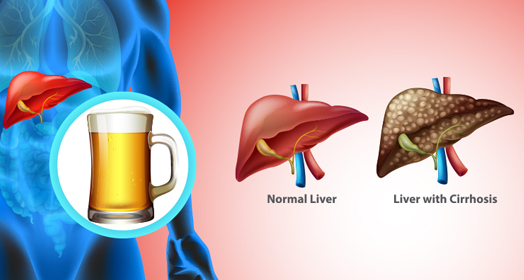
Alcohol-related liver disease refers to liver damage associated with prolonged or excessive alcohol consumption. Alcohol can affect the liver in different ways, ranging from the accumulation of fat in the liver to inflammation, scarring and, in advanced cases, cirrhosis and liver failure. The severity and progression of liver disease can vary significantly from one person to another.
At The GastroLiver Care by Dr. Yogita in Goregaon East, Mumbai, Dr. Yogita Kokate-Adke, Gastroenterologist and Hepatologist, provides specialized evaluation and management of alcohol-related liver conditions. Care focuses on assessing the extent of liver involvement, identifying complications and developing an individualized plan to protect long-term liver health.
Alcohol-Related Liver Conditions We Evaluate and Manage
Alcohol can affect the liver at different stages. Some patients may have early liver changes without noticeable symptoms, while others may develop significant inflammation, fibrosis or cirrhosis. Early assessment can help determine the current condition of the liver and guide appropriate follow-up.
- Alcohol-Associated Fatty Liver – Accumulation of excess fat in the liver associated with alcohol consumption, which may improve with appropriate lifestyle and alcohol-related interventions.
- Alcohol-Associated Hepatitis – Inflammation and liver injury related to alcohol use that can range from mild disease to a serious acute illness requiring specialist care.
- Alcohol-Related Fibrosis – Development of scar tissue in the liver following ongoing liver injury.
- Alcohol-Related Cirrhosis – Advanced and permanent scarring of the liver that can affect normal liver function and may lead to complications.
- Decompensated Liver Disease – Advanced liver disease associated with complications such as ascites, jaundice, gastrointestinal bleeding or hepatic encephalopathy.
- Alcohol-Related Liver Complications – Evaluation and management of complications that may develop as liver disease progresses.
Symptoms of Alcohol-Related Liver Disease
Early alcohol-related liver disease may cause few or no noticeable symptoms. As liver inflammation or damage progresses, symptoms can become more apparent. Some symptoms may also overlap with other liver and digestive conditions, making appropriate medical evaluation important.
- Persistent Tiredness or Fatigue
- Loss of Appetite
- Nausea or Vomiting
- Unexplained Weight Loss
- Discomfort or Pain in the Upper Right Abdomen
- Abdominal Bloating or Increasing Abdominal Size
- Yellowing of the Eyes or Skin (Jaundice)
- Dark-Coloured Urine
- Swelling of the Legs or Ankles
- Easy Bruising or Bleeding
- Confusion, Drowsiness or Changes in Alertness
- Vomiting Blood or Passing Black, Tarry Stools
Symptoms such as jaundice, abdominal swelling, vomiting blood, black stools, severe confusion or marked drowsiness can indicate serious liver complications and require urgent medical attention.
Causes and Risk Factors for Alcohol-Related Liver Disease
Alcohol-related liver disease develops when alcohol-associated liver injury occurs over time. However, the amount and duration of alcohol consumption do not affect every person in exactly the same way. Individual health factors, nutrition, metabolic conditions and other causes of liver disease may also influence the risk and severity of liver damage.
- Regular or Heavy Alcohol Consumption
- Long-Term Alcohol Use
- Repeated Episodes of Heavy Drinking
- Existing Liver Disease
- Poor Nutritional Status
- Overweight or Obesity
- Diabetes and Other Metabolic Conditions
- Smoking and Other Lifestyle Factors
- Use of Certain Medicines or Substances Along With Alcohol
- Coexisting Viral Hepatitis or Other Liver Conditions
Alcohol may not always be the only factor affecting liver health. A detailed medical history and appropriate investigations can help determine whether other conditions, medications or metabolic factors are also contributing to liver injury.
Alcohol-Related Liver Disease Treatment
Treatment for alcohol-related liver disease depends on the stage of liver damage, current symptoms, complications and overall health. An important part of management is addressing alcohol use and providing appropriate medical and nutritional support. The treatment plan is individualized according to the patient's condition.
- Detailed Gastroenterology and Hepatology Consultation
- Assessment of Alcohol Use and Liver Disease Risk
- Liver Function and Blood Test Evaluation
- Assessment of Liver Fibrosis and Scarring
- FibroScan or Liver Elastography When Appropriate
- Ultrasound or Other Liver Imaging When Clinically Required
- Guidance and Support for Alcohol Cessation
- Nutritional and Lifestyle Guidance
- Management of Alcohol-Associated Hepatitis When Indicated
- Management of Cirrhosis and Its Complications
- Regular Monitoring of Liver Function
- Long-Term Hepatology Follow-Up
Depending on the severity of liver disease, additional care may be required for complications such as ascites, varices, hepatic encephalopathy or jaundice. Patients with advanced liver disease may require assessment for further specialist management.
Benefits of Timely Alcohol-Related Liver Disease Evaluation
Alcohol-related liver disease can progress silently, particularly during its earlier stages. Timely evaluation can help identify the extent of liver injury and determine whether there is significant fibrosis, cirrhosis or another underlying liver condition.
- Helps Identify Early Liver Damage
- Assesses the Extent of Liver Inflammation
- Helps Evaluate Liver Fibrosis and Cirrhosis Risk
- Supports Timely Management of Alcohol-Related Liver Injury
- Helps Detect Liver-Related Complications
- Supports Monitoring of Liver Function
- Provides Guidance for Alcohol Cessation and Lifestyle Changes
- Helps Address Nutritional and Metabolic Risk Factors
- Supports Long-Term Liver Health Monitoring
- Allows Appropriate Follow-Up Based on Disease Severity
How to Prevent Alcohol-Related Liver Disease
The most important step in preventing alcohol-related liver damage is avoiding or reducing alcohol exposure. For people who already have alcohol-related liver disease, stopping alcohol consumption can be an important part of medical management and may help prevent further liver injury. The appropriate approach should be discussed with a healthcare professional, particularly for people who drink heavily or regularly.
- Avoid Alcohol Consumption Where Possible
- Seek Professional Support for Alcohol Cessation When Needed
- Do Not Suddenly Stop Heavy Alcohol Use Without Medical Guidance
- Maintain a Balanced and Nutritious Diet
- Maintain a Healthy Body Weight
- Stay Physically Active as Medically Appropriate
- Manage Diabetes, Cholesterol and Other Metabolic Conditions
- Avoid Unnecessary Medicines or Supplements That May Affect the Liver
- Get Liver Function Tests When Medically Recommended
- Attend Regular Follow-Up if Liver Disease Has Been Diagnosed
For people who consume alcohol heavily or regularly, professional support can be important because sudden withdrawal may cause serious complications in some individuals. A doctor can help determine an appropriate and safer approach.
Why Consult Dr. Yogita Kokate for Alcohol-Related Liver Disease?
Alcohol-related liver disease can range from early fatty liver changes to advanced cirrhosis and serious liver complications. A specialist evaluation can help determine the current stage of liver disease and identify factors that may influence its progression.
Dr. Yogita Kokate-Adke, Gastroenterologist and Hepatologist, provides specialized care for liver and digestive health conditions, including alcohol-related liver disease. Her clinical expertise includes hepatology evaluation, liver disease management and advanced gastroenterology care, with an individualized approach based on each patient's clinical condition.
At The GastroLiver Care by Dr. Yogita in Goregaon East, Mumbai, patients receive personalized consultation, clear explanations of investigation results and evidence-based guidance focused on protecting liver health and managing liver-related complications when required.