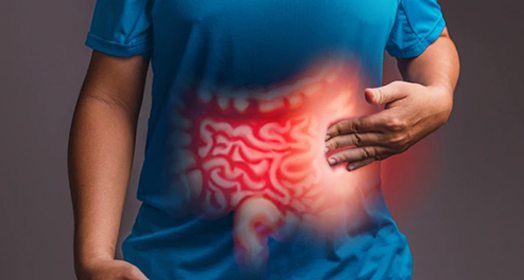
Irritable Bowel Syndrome (IBS) Care by Dr. Yogita Kokate-Adke
Irritable Bowel Syndrome (IBS) is a common digestive disorder that can affect the way the bowel functions and may lead to recurring abdominal pain, bloating, constipation, diarrhea or changes in bowel habits. Although IBS does not affect every patient in the same way, its symptoms can significantly interfere with eating habits, work, travel, sleep and everyday activities.
At The GastroLiver Care by Dr. Yogita in Goregaon, Mumbai, Dr. Yogita Kokate-Adke provides personalized evaluation and management for patients experiencing persistent bowel symptoms. Her approach focuses on understanding the pattern of symptoms, identifying possible triggers and developing an appropriate treatment plan based on each patient's individual needs.
IBS is a condition that can often be managed effectively with the right combination of medical care, dietary changes, lifestyle modification and ongoing guidance. A proper gastroenterology consultation can also help determine whether symptoms are due to IBS or another digestive condition requiring further evaluation.
IBS and Related Bowel Conditions
Irritable Bowel Syndrome can present differently from one person to another. Some patients mainly experience constipation, while others have frequent loose stools or a combination of both. Understanding the predominant bowel pattern helps guide a more appropriate approach to management.
- IBS with Constipation (IBS-C) – Bowel symptoms are mainly associated with constipation, hard stools or difficulty passing stools.
- IBS with Diarrhea (IBS-D) – Recurrent loose or frequent stools may occur along with abdominal discomfort and urgency.
- Mixed IBS (IBS-M) – Patients may experience episodes of both constipation and diarrhea at different times.
- Bloating and Abdominal Discomfort – Feeling of fullness, abdominal pressure or bloating may occur frequently with IBS.
- Altered Bowel Habits – Changes in stool frequency, consistency or the usual pattern of bowel movements may be experienced.
- Food-Related Digestive Symptoms – Certain foods or eating patterns may trigger or worsen bowel symptoms in some individuals.
Symptoms of Irritable Bowel Syndrome
IBS symptoms can come and go and may vary in intensity. Some people experience mild occasional symptoms, while others may have persistent bowel problems that affect their quality of life. Common symptoms include:
- Recurring Abdominal Pain or Cramps
- Bloating and Abdominal Fullness
- Constipation
- Diarrhea or Loose Stools
- Alternating Constipation and Diarrhea
- Changes in Bowel Movement Frequency
- Changes in Stool Consistency
- Urgency to Pass Stool
- Feeling of Incomplete Bowel Emptying
- Excessive Gas or Flatulence
- Abdominal Discomfort After Eating
- Symptoms That Improve or Change After Passing Stool
Digestive symptoms do not always mean that a person has IBS. If bowel symptoms are persistent, recurrent or significantly affecting daily life, a consultation with a gastroenterologist can help identify the likely cause and determine whether further evaluation is needed.
What Causes Irritable Bowel Syndrome?
The exact cause of IBS is not the same for every patient and may involve several factors working together. IBS is often associated with changes in how the gut and brain communicate, bowel sensitivity, intestinal movement and individual responses to food and stress.
Identifying personal triggers is an important part of managing IBS. A detailed discussion of symptoms, eating habits, bowel patterns, lifestyle and medical history can help Dr. Yogita Kokate-Adke understand the factors that may be contributing to a patient's symptoms.
- Changes in Gut-Brain Interaction
- Increased Sensitivity of the Digestive Tract
- Changes in Bowel Movement and Motility
- Dietary Triggers
- Irregular Eating Habits
- Stress and Emotional Factors
- Changes in Gut Microbiota
- Previous Gastrointestinal Infection in Some Patients
- Food Intolerances or Individual Food Triggers
- Lifestyle and Sleep Disturbances
It is important not to assume that every episode of abdominal pain, constipation or diarrhea is IBS. Symptoms that are new, severe, persistent or associated with warning signs may require additional medical evaluation.
Irritable Bowel Syndrome Treatment
There is no single treatment that works for every person with IBS. Management is usually tailored according to the patient's predominant symptoms, bowel pattern, dietary habits, lifestyle and overall health. The goal is to reduce troublesome symptoms and help patients regain confidence in their daily routine.
Dr. Yogita Kokate-Adke takes an individualized approach to IBS management, helping patients understand their symptoms and identify practical ways to manage recurring bowel problems.
- Detailed Gastroenterology Consultation
- Assessment of Bowel Habits and Symptom Pattern
- Identification of Possible Dietary Triggers
- Personalized Dietary Guidance
- Management of Constipation-Predominant IBS
- Management of Diarrhea-Predominant IBS
- Management of Bloating and Abdominal Discomfort
- Appropriate Medication Based on Symptoms
- Lifestyle and Stress Management Guidance
- Follow-Up for Long-Term Symptom Control
Depending on the symptoms and clinical findings, additional investigations may sometimes be recommended to rule out other gastrointestinal conditions. The need for tests is decided according to the patient's individual history and examination rather than assuming that every patient with bowel symptoms has IBS.
Benefits of Timely IBS Care
Living with recurring abdominal pain, bloating, constipation or diarrhea can become frustrating, especially when symptoms are unpredictable. Appropriate medical evaluation can help patients understand what may be triggering their symptoms and develop a practical long-term management plan.
- Helps Identify the Pattern of Bowel Symptoms
- Supports Appropriate Diagnosis and Evaluation
- Helps Reduce Abdominal Pain and Discomfort
- Improves Bowel Regularity
- Helps Manage Constipation or Diarrhea
- Reduces Bloating and Excessive Gas
- Helps Identify Individual Food Triggers
- Supports Better Dietary and Lifestyle Choices
- Improves Confidence in Managing Recurring Symptoms
- Supports Better Digestive Health and Quality of Life
How to Manage and Prevent IBS Flare-Ups
IBS cannot always be prevented, but many patients can reduce the frequency or severity of symptoms by understanding their individual triggers and maintaining healthy daily habits. The right approach varies from person to person, so keeping track of symptoms and discussing recurring problems with a gastroenterologist can be helpful.
- Follow Regular and Balanced Meal Timings
- Identify Foods That Trigger Your Symptoms
- Avoid Unnecessary Restrictive Diets Without Medical Guidance
- Stay Adequately Hydrated
- Include Appropriate Dietary Fibre as Advised
- Stay Physically Active
- Manage Stress and Emotional Triggers
- Maintain Healthy Sleep Habits
- Maintain a Regular Bowel Routine
- Keep a Food and Symptom Diary When Helpful
- Avoid Self-Medicating Frequently for Recurring Symptoms
- Consult a Gastroenterologist for Persistent Bowel Problems
Dietary changes should be personalized rather than based on internet advice alone. If certain foods consistently trigger symptoms, discussing them with a gastroenterologist or qualified diet professional can help you make practical changes without unnecessarily restricting your diet.
When Should You Consult a Gastroenterologist for IBS Symptoms?
Occasional bloating or changes in bowel habits can happen to anyone. However, recurring symptoms that interfere with your work, sleep, travel, eating habits or everyday activities deserve proper attention. A gastroenterology consultation is especially important when bowel symptoms are persistent, worsening or difficult to manage on your own.
- Persistent or Recurrent Abdominal Pain
- Frequent Episodes of Constipation or Diarrhea
- Ongoing Bloating or Excessive Gas
- Sudden or Persistent Change in Bowel Habits
- Symptoms That Frequently Disturb Daily Activities
- Repeated Symptoms Despite Dietary Changes
- Unexplained Weight Loss
- Blood in the Stool or Black Stools
- Persistent Fever or Significant Weakness
- Symptoms That Begin Suddenly or Become Severe
These warning symptoms do not necessarily mean that a serious condition is present, but they should not simply be assumed to be IBS. Appropriate medical evaluation can help identify the cause and determine the right course of care.
Why Consult Dr. Yogita Kokate for IBS Treatment?
IBS can be frustrating because symptoms may change from one day to another and different patients can respond differently to the same foods, medicines or lifestyle changes. Understanding the individual pattern of symptoms is therefore an important part of effective management.
Dr. Yogita Kokate-Adke, Gastroenterologist and Hepatologist, provides specialized care for patients with digestive and bowel disorders, including Irritable Bowel Syndrome. Her approach focuses on listening carefully to the patient's concerns, understanding the bowel symptom pattern and providing personalized, evidence-based guidance.
At The GastroLiver Care by Dr. Yogita in Goregaon East, Mumbai, patients can receive comprehensive gastroenterology care with clear explanations and a treatment plan designed around their individual symptoms, lifestyle and digestive health needs.