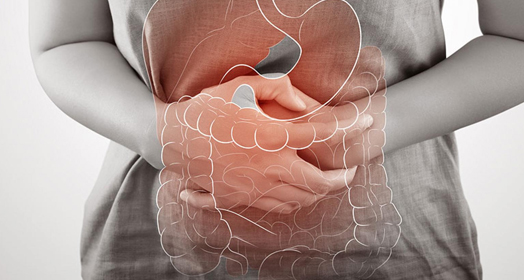
Inflammatory Bowel Disease (IBD) Care by Dr. Yogita Kokate-Adke
Inflammatory Bowel Disease (IBD) is a group of chronic conditions that cause inflammation in the digestive tract. The two major forms of IBD are Crohn's disease and ulcerative colitis. These conditions can cause recurring digestive symptoms and may affect a person's eating habits, energy levels, work, social life and overall quality of life.
At The GastroLiver Care by Dr. Yogita in Goregaon, Mumbai, Dr. Yogita Kokate-Adke provides specialized evaluation and management for patients experiencing symptoms suggestive of IBD. Her approach focuses on understanding the patient's symptoms, medical history and disease pattern to develop an appropriate, personalized treatment plan.
Conditions Covered Under IBD
IBD is not a single digestive condition. It mainly includes Crohn's disease and ulcerative colitis, which can differ in the areas of the digestive tract they affect and the pattern of inflammation. Understanding the specific type of IBD is important for planning appropriate treatment and long-term follow-up.
- Crohn's Disease – A chronic inflammatory condition that can affect different parts of the digestive tract and may cause abdominal pain, diarrhea and other digestive symptoms.
- Ulcerative Colitis – A chronic inflammatory condition that primarily affects the inner lining of the colon and rectum and may cause diarrhea and rectal bleeding.
- Mild to Moderate IBD – Symptoms may range from occasional bowel changes to recurring abdominal discomfort and diarrhea.
- Active IBD – Periods when intestinal inflammation becomes more active and symptoms may become more frequent or severe.
- IBD Flares – Episodes in which symptoms such as abdominal pain, diarrhea, urgency or bleeding become more noticeable.
- Long-Term IBD Management – Ongoing monitoring and treatment aimed at controlling inflammation and maintaining remission.
Symptoms of Inflammatory Bowel Disease
IBD symptoms can vary from person to person and may change over time. Some patients experience mild or intermittent symptoms, while others may develop persistent symptoms that require detailed gastroenterological evaluation. Common symptoms include:
- Persistent or Recurrent Diarrhea
- Abdominal Pain or Cramping
- Blood or Mucus in the Stool
- Urgent Need to Pass Stool
- Frequent Bowel Movements
- Unexplained Weight Loss
- Loss of Appetite
- Persistent Fatigue or Low Energy
- Bloating and Abdominal Discomfort
- Fever During Active Inflammation
- Symptoms That Come and Go in Flares
- Changes in Normal Bowel Habits
Persistent diarrhea, blood in the stool, unexplained weight loss or recurring abdominal pain should not simply be attributed to food intolerance or routine digestive problems. A gastroenterology consultation can help determine whether further evaluation for IBD or another bowel condition is appropriate.
What Causes Inflammatory Bowel Disease?
The exact cause of IBD is not completely understood. It is believed to develop through a combination of factors involving the immune system, genetics and the interaction between the body and the gut environment. IBD is not caused by one single food or lifestyle habit.
- Abnormal Immune System Response
- Genetic or Family History Factors
- Changes in the Gut Microbiome
- Interaction Between Genetics and Environment
- Previous Gastrointestinal Infections or Triggers
- Individual Immune Susceptibility
- Environmental and Lifestyle Influences
- Smoking and Tobacco Exposure in Certain IBD Settings
Having a family member with IBD may increase a person's risk, but many people diagnosed with Crohn's disease or ulcerative colitis do not have a family history. Because IBD has multiple contributing factors, identifying the exact reason why it develops in an individual patient is not always possible.
Inflammatory Bowel Disease Treatment
IBD treatment is personalized according to the type of disease, severity of inflammation, symptoms, affected areas of the digestive tract and the patient's overall health. The aim is to control active inflammation, relieve symptoms, maintain remission and reduce the risk of future complications.
- Detailed Gastroenterology Consultation
- Assessment of Symptoms and Disease Activity
- Blood and Stool Investigations When Required
- Colonoscopy and Endoscopic Evaluation When Indicated
- Biopsy During Endoscopy When Clinically Required
- Medical Treatment for Active Inflammation
- Long-Term Maintenance Treatment
- Dietary and Nutritional Guidance
- Monitoring for Treatment Response
- Regular Follow-Up During Remission
- Management of IBD-Related Complications
- Personalized Treatment Adjustment When Required
Depending on the patient's condition, investigations such as blood tests, stool tests, imaging or colonoscopy may be recommended to understand the extent and activity of intestinal inflammation. Treatment decisions are made based on the individual patient's clinical assessment rather than symptoms alone.
Benefits of Timely IBD Care
IBD is a chronic condition that often requires ongoing medical care rather than short-term treatment alone. Early evaluation and regular follow-up can help patients understand their condition, manage symptoms and work towards better long-term disease control.
- Helps Identify the Cause of Persistent Bowel Symptoms
- Supports Early Detection of Intestinal Inflammation
- Helps Control Diarrhea and Abdominal Symptoms
- Supports Management of IBD Flares
- Helps Monitor Treatment Response
- Supports Maintaining Disease Remission
- Helps Identify Potential Complications
- Supports Better Nutritional and Digestive Health
- Improves Understanding of the Condition
- Helps Patients Plan Long-Term Care
Managing and Reducing IBD Flare-Ups
Because IBD involves complex immune and inflammatory processes, there is no guaranteed way to prevent the condition from developing. However, appropriate treatment, regular monitoring and healthy daily habits can help patients manage their condition and recognize changes early.
- Take Prescribed Medicines as Directed
- Attend Regular Gastroenterology Follow-Ups
- Track Changes in Bowel Habits
- Identify Individual Food Triggers
- Maintain Adequate Nutrition and Hydration
- Follow Personalized Dietary Advice
- Avoid Smoking and Tobacco Products
- Manage Stress and Maintain Healthy Sleep
- Stay Physically Active as Appropriate
- Do Not Stop IBD Medication Without Medical Advice
- Report New or Worsening Symptoms Promptly
- Keep Recommended Investigations and Follow-Ups
Keeping a record of symptoms, bowel patterns, food-related changes and treatment response can also help you and your gastroenterologist understand your condition better and make informed decisions during follow-up visits.
Why Consult Dr. Yogita Kokate for IBD Care?
Living with ongoing diarrhea, abdominal pain, urgency or blood in the stool can be physically and emotionally difficult. Because these symptoms can also occur in other digestive conditions, getting the right diagnosis is an important first step before starting long-term treatment.
Dr. Yogita Kokate-Adke, Gastroenterologist and Hepatologist, provides specialized care for gastrointestinal and inflammatory bowel conditions. Her clinical experience includes the management of complex gastrointestinal cases along with advanced endoscopic procedures and comprehensive digestive health evaluation.
At The GastroLiver Care by Dr. Yogita in Goregaon East, Mumbai, patients receive personalized evaluation, clear explanations and evidence-based guidance designed around their individual symptoms and health needs. The goal is to help patients better understand IBD, manage their symptoms and receive appropriate long-term care.