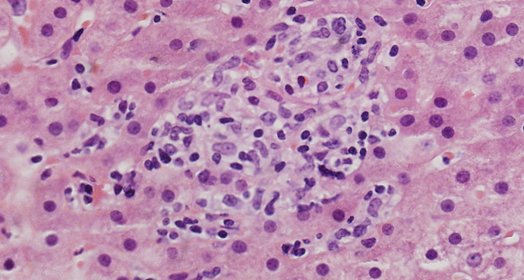
Drug-Induced Liver Injury Care by Dr. Yogita Kokate-Adke
Drug-Induced Liver Injury (DILI) is liver damage caused by a medicine, herbal product, dietary supplement or other substance. The liver plays an important role in processing many medicines and chemicals, and in some individuals, certain substances can cause liver inflammation or affect normal liver function.
At The GastroLiver Care by Dr. Yogita in Goregaon East, Mumbai, Dr. Yogita Kokate-Adke, Gastroenterologist and Hepatologist, provides specialized evaluation of suspected drug-induced liver injury. Assessment involves reviewing the patient's medication and supplement history, symptoms, liver blood tests and other possible causes of liver injury before planning appropriate management.
Types and Patterns of Drug-Induced Liver Injury
Drug-induced liver injury can present in different ways. The severity and pattern of liver injury can vary depending on the substance involved, the patient's individual risk factors and the duration of exposure. Identifying the likely cause is an important part of appropriate liver care.
- Hepatocellular Liver Injury – Injury that primarily affects liver cells and may be associated with an increase in liver enzymes such as ALT and AST.
- Cholestatic Liver Injury – A pattern in which bile flow is affected and may be associated with jaundice, itching or elevated alkaline phosphatase and bilirubin levels.
- Mixed Liver Injury – A combination of hepatocellular and cholestatic features that may occur with certain medicines or substances.
- Acute Drug-Induced Liver Injury – Liver injury that develops over a relatively short period following exposure to a medication or other substance.
- Drug-Related Jaundice – Yellowing of the skin or eyes that may occur when a medicine or supplement affects liver function or bile flow.
- Supplement and Herbal Product-Related Liver Injury – Liver injury associated with certain herbal preparations, dietary supplements or products containing multiple ingredients.
Symptoms of Drug-Induced Liver Injury
Some cases of drug-induced liver injury are discovered through routine blood tests before noticeable symptoms develop. When symptoms occur, they can range from mild digestive complaints to signs of more significant liver dysfunction. Unexplained symptoms together with abnormal liver tests should be medically evaluated.
- Unusual Tiredness or Fatigue
- Loss of Appetite
- Nausea or Vomiting
- Abdominal Discomfort or Pain
- Discomfort in the Upper Right Side of the Abdomen
- Dark-Coloured Urine
- Pale or Clay-Coloured Stools
- Yellowing of the Eyes or Skin (Jaundice)
- Generalised Weakness
- Itching of the Skin
- Unexplained Rise in Liver Enzymes
- Fever or Skin Rash in Some Cases
Drug-induced liver injury can sometimes occur without obvious symptoms. Therefore, abnormal liver function tests after starting a new medicine, supplement or herbal product should not be ignored and may require further evaluation.
What Causes Drug-Induced Liver Injury?
Many different medicines and substances can potentially affect the liver. However, not everyone taking a particular medicine will develop liver injury. The risk may depend on the specific substance, dose, duration of exposure, individual susceptibility and other health conditions or medications.
- Prescription Medicines – Certain prescription medicines can occasionally cause liver injury in susceptible individuals.
- Over-the-Counter Medicines – Some commonly available medicines may affect the liver when taken incorrectly, in excessive amounts or in combination with other substances.
- Herbal Medicines – Certain herbal preparations may contain ingredients that can cause liver injury.
- Dietary Supplements – Supplements marketed for weight loss, bodybuilding or other health purposes may contain ingredients that can affect the liver.
- Multiple Medicines – Taking several medicines at the same time may make it more difficult to identify the substance responsible for abnormal liver tests.
- Individual Susceptibility – Age, existing liver disease, other medical conditions and individual responses to medicines may influence the risk.
A detailed medication history is therefore an important part of evaluating suspected DILI. Patients should inform their doctor about all prescription medicines, over-the-counter medicines, vitamins, herbal products and dietary supplements they are taking.
Drug-Induced Liver Injury Diagnosis and Treatment
Diagnosing drug-induced liver injury can require careful assessment because abnormal liver tests may have many possible causes. Dr. Yogita Kokate-Adke evaluates the timing of medication or supplement exposure, symptoms, liver blood tests and other possible causes before determining whether a drug or other substance may be responsible.
- Detailed Gastroenterology and Hepatology Consultation
- Complete Review of Prescription and Over-the-Counter Medicines
- Review of Herbal Products, Vitamins and Dietary Supplements
- Assessment of Symptoms and Medical History
- Liver Function Tests
- Assessment of Bilirubin and Liver Enzymes
- Evaluation for Viral and Other Causes of Liver Injury
- Assessment of the Pattern and Severity of Liver Injury
- Ultrasound or Other Liver Imaging When Clinically Required
- FibroScan or Liver Elastography When Appropriate
- Medication Review and Specialist-Guided Management
- Regular Monitoring of Liver Function During Recovery
If a particular medicine or supplement is suspected to be responsible, its continuation or discontinuation should be decided by a qualified healthcare professional. Some medicines are essential for managing other medical conditions and should not be stopped suddenly without medical advice. The management plan depends on the suspected cause, severity of liver injury and the patient's overall health.
Why Timely Evaluation of Drug-Induced Liver Injury Matters
Recognising possible drug-induced liver injury early can help identify the likely cause of abnormal liver tests and allow appropriate medical management. Since liver enzyme abnormalities can have many different causes, a structured evaluation is important before attributing the problem to a particular medicine or supplement.
- Helps Identify the Possible Cause of Abnormal Liver Tests
- Allows Review of Medicines and Supplements
- Helps Assess the Pattern of Liver Injury
- Supports Identification of Other Possible Liver Conditions
- Helps Monitor Changes in Liver Function
- Supports Appropriate Medication Management
- Helps Detect Signs of More Significant Liver Injury
- Provides Guidance on Safe Medicine and Supplement Use
- Supports Monitoring During Recovery
- Promotes Better Long-Term Liver Health
How to Reduce the Risk of Drug-Induced Liver Injury
Not all cases of drug-induced liver injury can be prevented because some reactions may occur unpredictably. However, responsible medicine use and keeping your doctor informed about all medicines and supplements can help reduce avoidable risks and allow abnormal liver tests to be investigated promptly.
- Take Medicines Only as Directed by Your Doctor
- Do Not Exceed the Recommended Dose
- Avoid Unnecessary Self-Medication
- Inform Your Doctor About All Medicines You Take
- Tell Your Doctor About Herbal Products and Dietary Supplements
- Avoid Taking Multiple Medicines Without Professional Guidance
- Do Not Start Weight-Loss or Bodybuilding Supplements Without Medical Advice
- Follow Recommended Blood Tests When Monitoring Is Advised
- Do Not Stop Essential Prescription Medicines Without Medical Advice
- Report Jaundice, Dark Urine or Other Concerning Symptoms Promptly
If you develop unexplained jaundice, significant weakness, persistent vomiting, dark urine or abnormal liver blood tests after starting a medicine or supplement, seek medical evaluation promptly.
Why Consult Dr. Yogita Kokate for Drug-Induced Liver Injury?
Abnormal liver tests after starting a medicine do not always mean that the medicine is the cause. Several liver conditions can produce similar changes in blood tests. A hepatology evaluation can help assess the medication history, investigate other possible causes and determine the appropriate next step.
Dr. Yogita Kokate-Adke, Gastroenterologist and Hepatologist, provides specialized evaluation and management of liver conditions, including suspected drug-induced liver injury. Her approach focuses on understanding the patient's complete medical history, reviewing medications and supplements, assessing liver function and planning appropriate follow-up.
At The GastroLiver Care by Dr. Yogita in Goregaon East, Mumbai, patients receive personalized hepatology consultation, clear explanations and evidence-based guidance for managing abnormal liver tests and protecting long-term liver health.