Gastrointestinal Motility Care by Dr. Yogita Kokate-Adke
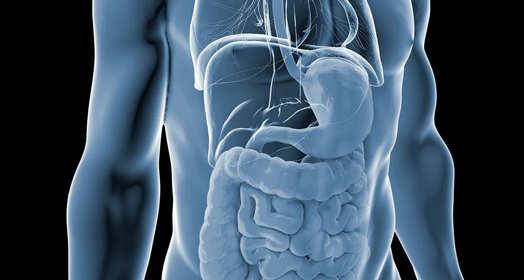
The digestive system depends on coordinated muscle movements and nerve signals to move food from the oesophagus through the stomach and intestines. When these movements become too slow, too fast or uncoordinated, they can lead to gastrointestinal motility disorders that affect swallowing, digestion and bowel function.
At The GastroLiver Care by Dr. Yogita in Goregaon, Mumbai, Dr. Yogita Kokate-Adke, Gastroenterologist and Hepatologist, provides specialized evaluation and management of digestive motility problems. Her approach focuses on understanding the patient's symptoms, identifying possible underlying causes and selecting appropriate investigations and treatment based on the individual's condition.
Gastrointestinal Motility Conditions We Treat
Motility disorders can affect different parts of the digestive tract. Some primarily affect swallowing and movement of food through the oesophagus, while others affect the stomach or intestinal function. Dr. Yogita Kokate-Adke provides gastroenterology care for motility-related conditions such as:
- Dysphagia – Difficulty or discomfort while swallowing food, liquids or sometimes even saliva.
- Achalasia – A condition in which the oesophagus has difficulty moving food into the stomach normally.
- Gastroparesis – Delayed emptying of the stomach that may cause early fullness, nausea, bloating and vomiting.
- Oesophageal Motility Disorders – Problems with the coordinated contractions that help move food through the oesophagus.
- Functional Digestive Disorders – Digestive symptoms that may be related to altered gut movement or gut-brain interaction.
- Other Gastrointestinal Motility Problems – Disorders affecting the normal movement and coordination of the digestive tract requiring specialist assessment.
Symptoms of Gastrointestinal Motility Disorders
Motility disorders can produce symptoms that may initially be mistaken for acidity, indigestion or routine digestive problems. When symptoms are persistent, recurrent or affecting eating and daily activities, a gastroenterology evaluation can help identify whether an underlying motility problem may be involved.
- Difficulty Swallowing Food or Liquids
- Feeling That Food Is Stuck in the Chest
- Pain or Discomfort While Swallowing
- Frequent Regurgitation of Food or Liquids
- Persistent Heartburn or Chest Discomfort
- Feeling Full After Eating Small Amounts
- Persistent Bloating
- Nausea or Recurrent Vomiting
- Abdominal Discomfort After Meals
- Loss of Appetite
- Unexplained Weight Loss
- Changes in Bowel Habits
Difficulty swallowing, repeated vomiting, food getting stuck, unexplained weight loss or persistent digestive symptoms should not simply be treated as routine acidity or indigestion. A specialist assessment can help determine the appropriate next step.
What Causes Motility Disorders?
Gastrointestinal motility problems can have different causes. They may be related to changes in the nerves or muscles that control digestive movement, certain medical conditions, previous gastrointestinal problems or other factors. In some patients, the exact cause may not be immediately apparent.
- Disorders Affecting the Nerves That Control Digestion
- Problems Affecting Gastrointestinal Muscle Function
- Diabetes and Related Nerve Damage
- Previous Gastrointestinal Surgery
- Certain Neurological Conditions
- Certain Medicines That Affect Gut Movement
- Inflammatory or Other Digestive Conditions
- Changes in the Gut-Brain Interaction
- Long-Standing Digestive Disorders
- Other Underlying Medical Conditions
The cause of a motility disorder cannot always be determined from symptoms alone. Dr. Yogita Kokate-Adke evaluates the patient's medical history, symptoms and clinical findings to determine whether specialized testing may be required.
Gastrointestinal Motility Treatment
Treatment for gastrointestinal motility disorders depends on the affected part of the digestive tract, the underlying cause and the severity of symptoms. Dr. Yogita Kokate-Adke follows a personalized approach, with treatment planned according to the patient's specific diagnosis and everyday concerns.
- Detailed Gastroenterology Consultation
- Assessment of Swallowing and Digestive Symptoms
- Dietary and Lifestyle Guidance
- Medical Management Based on the Underlying Condition
- Evaluation of Dysphagia and Swallowing Difficulties
- Management of Gastroparesis Symptoms
- Specialized Evaluation of Achalasia
- Oesophageal Manometry When Clinically Indicated
- pH Impedance Testing When Required
- Upper GI Endoscopy When Appropriate
- Personalized Follow-Up and Long-Term Management
Depending on the symptoms and suspected condition, investigations such as oesophageal manometry or pH impedance testing may help assess how the oesophagus and upper digestive tract are functioning. These tests are recommended selectively after clinical evaluation.
For selected patients with conditions such as achalasia, advanced treatment options may be considered based on the diagnosis and individual clinical requirements.
Benefits of Timely Motility Disorder Care
Persistent swallowing or digestive symptoms can affect eating, nutrition, sleep, work and everyday quality of life. Identifying the underlying problem can help patients understand their symptoms and receive appropriate management instead of repeatedly treating them without a clear diagnosis.
- Helps Identify the Cause of Persistent Digestive Symptoms
- Supports Accurate Evaluation of Swallowing Problems
- Helps Assess Abnormal Digestive Movement
- Supports Appropriate Management of Dysphagia
- Helps Manage Symptoms of Gastroparesis
- Supports Evaluation of Achalasia
- Helps Guide Appropriate Diagnostic Testing
- May Improve Eating and Digestive Comfort
- Supports Better Nutritional Management
- Improves Understanding of Your Digestive Condition
- Supports Long-Term Gastrointestinal Health
How to Support Better Digestive Motility
Not all gastrointestinal motility disorders can be prevented, particularly when they are related to underlying medical or neurological conditions. However, healthy digestive habits and appropriate management of existing health conditions can support overall gastrointestinal function.
- Eat Regular and Balanced Meals
- Eat Slowly and Chew Food Thoroughly
- Avoid Very Large or Heavy Meals
- Stay Adequately Hydrated
- Stay Physically Active According to Your Health
- Maintain a Healthy Body Weight
- Manage Blood Sugar Levels if You Have Diabetes
- Limit Alcohol and Avoid Smoking
- Avoid Unnecessary Self-Medication
- Follow Your Gastroenterologist's Dietary Advice
- Do Not Ignore Persistent Swallowing or Digestive Problems
Why Consult Dr. Yogita Kokate for Motility Disorders?
Symptoms such as difficulty swallowing, food getting stuck, persistent bloating, early fullness or repeated vomiting can be frustrating and may significantly affect everyday life. Because these symptoms can have different causes, understanding the underlying problem is an important part of choosing the right treatment.
Dr. Yogita Kokate-Adke, Gastroenterologist and Hepatologist, provides specialized care for gastrointestinal disorders with expertise in advanced gastroenterology and endoscopic evaluation. Her clinical experience also includes manometry and pH impedance, as well as exposure to advanced procedures and techniques used in the evaluation and management of complex gastrointestinal conditions.
At The GastroLiver Care by Dr. Yogita in Goregaon East, Mumbai, patients receive personalized evaluation, clear explanations and evidence-based guidance designed around their symptoms, diagnosis and digestive health goals.