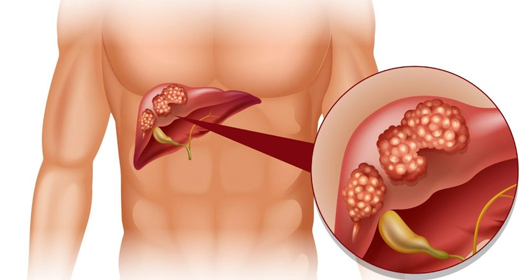
Liver Cancer (HCC) Care by Dr. Yogita Kokate-Adke
Hepatocellular carcinoma (HCC) is the most common primary cancer that develops in the liver. It often occurs in a liver affected by long-standing conditions such as cirrhosis, chronic hepatitis B or C, or other forms of chronic liver disease. In its early stages, liver cancer may not cause noticeable symptoms, which makes appropriate surveillance and timely evaluation particularly important for people at increased risk.
At The GastroLiver Care by Dr. Yogita in Goregaon East, Mumbai, Dr. Yogita Kokate-Adke, Gastroenterologist and Hepatologist, provides specialized evaluation and hepatology care for patients with suspected or diagnosed liver cancer. The approach focuses on understanding the underlying liver condition, evaluating suspicious findings and coordinating appropriate investigations and further specialist care when required.
Liver Cancer and HCC Conditions We Evaluate
Liver lesions or abnormalities detected on an ultrasound, CT scan or MRI do not always represent cancer. A detailed clinical assessment and appropriate imaging or laboratory evaluation are important to understand the nature of a liver lesion and determine the next step.
- Hepatocellular Carcinoma (HCC) – The most common primary liver cancer arising from liver cells.
- Suspicious Liver Lesions – Abnormal areas identified during ultrasound, CT, MRI or other liver imaging that may require further evaluation.
- Liver Nodules in Cirrhosis – New or changing liver nodules in patients with cirrhosis may require careful assessment for possible HCC.
- Liver Cancer Risk in Chronic Hepatitis – Long-standing hepatitis B or hepatitis C can increase the risk of developing liver cancer.
- Liver Cancer Risk in Chronic Liver Disease – Certain chronic liver conditions may require regular surveillance based on individual risk factors.
- Follow-Up of Known HCC – Ongoing hepatology assessment and coordination of care for patients with an established diagnosis of liver cancer.
Symptoms of Liver Cancer (HCC)
Early liver cancer may not cause obvious symptoms and may sometimes be detected during routine surveillance in people with chronic liver disease. As the disease progresses, symptoms may become more noticeable. Any persistent or unexplained change in liver health should be medically evaluated.
- Unexplained Weight Loss
- Reduced Appetite or Feeling Full Quickly
- Persistent Fatigue or Weakness
- Upper Right Abdominal Pain or Discomfort
- A Feeling of Fullness or Mass in the Upper Abdomen
- Nausea or Digestive Discomfort
- Yellowing of the Eyes or Skin (Jaundice)
- Dark-Coloured Urine
- Abdominal Swelling Due to Fluid Accumulation (Ascites)
- Easy Bruising or Bleeding in Advanced Liver Disease
- Worsening Symptoms of Existing Liver Disease
- Unexplained Changes in Liver Function Tests
These symptoms can occur with several liver and digestive conditions and do not by themselves confirm liver cancer. However, persistent symptoms or new findings in a person with cirrhosis, chronic hepatitis or another liver disease should be evaluated without unnecessary delay.
Risk Factors for Liver Cancer (HCC)
Hepatocellular carcinoma often develops in the setting of chronic liver injury. Not everyone with a risk factor will develop liver cancer, but identifying people at higher risk allows appropriate surveillance and early evaluation when recommended.
- Liver Cirrhosis – Advanced scarring of the liver is an important risk factor for HCC.
- Chronic Hepatitis B – Long-term hepatitis B infection can increase the risk of liver cancer.
- Chronic Hepatitis C – Long-standing hepatitis C can cause liver fibrosis and cirrhosis, increasing HCC risk.
- Metabolic Dysfunction-Associated Fatty Liver Disease – Fatty liver disease, particularly when associated with advanced fibrosis or cirrhosis, can be associated with liver cancer risk.
- Alcohol-Related Liver Disease – Long-term excessive alcohol use can cause chronic liver injury and cirrhosis.
- Metabolic Risk Factors – Conditions such as obesity, diabetes and metabolic syndrome may contribute to chronic liver disease.
- Family or Genetic Factors – Certain inherited liver conditions can increase the risk of chronic liver disease and related complications.
The presence of a risk factor does not mean that a person has liver cancer. Risk assessment and surveillance recommendations depend on the underlying liver condition and the individual's clinical history.
Liver Cancer Diagnosis and Treatment
Evaluation of suspected liver cancer usually involves a combination of medical history, physical assessment, blood tests and liver imaging. Depending on the clinical situation, contrast-enhanced imaging such as multiphasic CT or MRI may be used to characterize a liver lesion. The diagnosis and treatment plan depend on the tumour characteristics, liver function, presence of cirrhosis and overall health.
- Detailed Gastroenterology and Hepatology Consultation
- Assessment of Chronic Liver Disease and Cirrhosis
- Liver Function Tests
- Assessment of Tumour Markers When Clinically Appropriate
- Ultrasound-Based Evaluation of the Liver
- Multiphasic CT or MRI for Characterization of Suspicious Liver Lesions
- Assessment of Tumour Size, Number and Location
- Evaluation of Liver Function and Overall Health
- Assessment of Disease Stage When Liver Cancer Is Diagnosed
- Referral or Coordination With Appropriate Cancer Specialists When Required
- Discussion of Suitable Treatment Options Based on Individual Findings
- Regular Follow-Up and Liver Cancer Surveillance When Indicated
Treatment options for HCC vary according to the stage of the cancer, liver function and the patient's overall health. Depending on the individual case, treatment may involve local or surgical approaches, liver transplantation, interventional radiology procedures, systemic therapies or a combination of treatments. These decisions are generally made through appropriate specialist and multidisciplinary evaluation.
Benefits of Timely Liver Cancer Evaluation
Early detection and appropriate assessment of liver cancer can help establish the diagnosis, understand the extent of disease and determine suitable next steps. For people at increased risk, regular surveillance can help identify suspicious changes before symptoms become obvious.
- Helps Detect Suspicious Liver Changes Earlier
- Supports Appropriate Evaluation of Liver Lesions
- Helps Assess Liver Function Alongside the Cancer
- Supports Accurate Characterization of Suspicious Findings
- Helps Determine the Extent of Liver Disease
- Supports Timely Referral to Appropriate Specialists
- Helps Guide Individualized Treatment Planning
- Supports Regular Monitoring of High-Risk Patients
- Helps Monitor Patients With Existing Liver Disease
- Provides Better Understanding of Liver Cancer and Its Risk Factors
How to Reduce the Risk of Liver Cancer
Not all cases of liver cancer can be prevented, but reducing chronic liver injury and managing underlying liver disease can help lower risk. People with certain chronic liver conditions may also benefit from regular liver cancer surveillance as recommended by their treating specialist.
- Get Tested and Treated for Chronic Viral Hepatitis When Appropriate
- Consider Hepatitis B Vaccination When Recommended
- Maintain a Healthy Body Weight
- Manage Diabetes and Metabolic Health
- Follow a Balanced and Nutritionally Appropriate Diet
- Limit or Avoid Excessive Alcohol Consumption
- Avoid Unnecessary Medicines or Supplements That May Harm the Liver
- Follow Medical Advice for Existing Liver Disease
- Attend Recommended Liver Cancer Surveillance Appointments
- Do Not Ignore Persistent Jaundice or Other New Liver-Related Symptoms
People with cirrhosis or other conditions that increase the risk of hepatocellular carcinoma may require regular surveillance even when they feel completely well. The appropriate surveillance schedule should be decided by a liver specialist based on individual risk.
Why Consult Dr. Yogita Kokate for Liver Cancer (HCC) Care?
A suspected liver lesion can understandably cause concern, but not every liver lesion represents cancer. A careful hepatology evaluation can help clarify the findings, assess the underlying liver condition and determine what investigations or specialist referrals may be appropriate.
Dr. Yogita Kokate-Adke, Gastroenterologist and Hepatologist, provides specialized care for liver diseases, including chronic hepatitis, cirrhosis and liver-related complications. Her clinical expertise in hepatology and advanced gastroenterology allows for comprehensive evaluation of patients with liver health concerns and suspected liver abnormalities.
At The GastroLiver Care by Dr. Yogita in Goregaon East, Mumbai, patients receive personalized consultation, clear explanations of investigation findings and evidence-based guidance. When further cancer treatment or advanced intervention is required, appropriate specialist coordination can be arranged based on the patient's individual condition.